E. coli / STEC
E. coli is the one food case worth real money.
Not because the illness is worse than others — because a subset of infections destroy kidneys, mostly in children, and because outbreak investigations hand you the causation proof that defeats every other food claim.
Free · No obligation · About 90 seconds
5–10%
Share of diagnosed E. coli O157 infections that develop hemolytic uremic syndrome — the kidney complication that drives case value
3–4 days
Typical incubation before symptoms, sometimes up to 10 — which is why the last meal you ate usually isn't the one
#1
HUS is the leading cause of acute kidney failure in American children
National Institute of Diabetes and Digestive and Kidney Diseases
If someone in your family has a confirmed E. coli infection right now, there is one medically urgent thing on this page and it is not legal: talk to the treating doctor before anyone gives an antibiotic or an anti-diarrheal. For Shiga toxin–producing E. coli, there is evidence that antibiotics and drugs that slow the gut can increase the risk of hemolytic uremic syndrome — the complication that causes kidney failure. That is a conversation for the physician, not for a website, but it is the reason to make sure they know STEC is suspected.
On the legal side, E. coli is the strongest foodborne illness claim there is, for two structural reasons.
The first is that it gets cultured. Bloody diarrhea sends people to emergency rooms, emergency rooms order stool studies, and a positive STEC result is a reportable condition — so the isolate gets sequenced and uploaded to the national surveillance network. That confirmed organism is the thing that turns an unprovable complaint into a documented case, and in most other food illnesses it never happens.
The second is that when it becomes an outbreak, the federal government does your causation work. Traceback through the supply chain to a specific grower, lot, or plant is exactly what CDC and FDA investigators do, funded publicly, and the resulting record is evidence no individual claimant could ever assemble.
What follows explains how to preserve that position — and is honest about the cases that aren't worth bringing.
Start with what happened
The HUS pages are where the serious cases are. Everything else depends on whether the organism was confirmed.

HUS — kidney failure
The catastrophic outcome, mostly in young children. These are the highest-value food cases there are.
Read this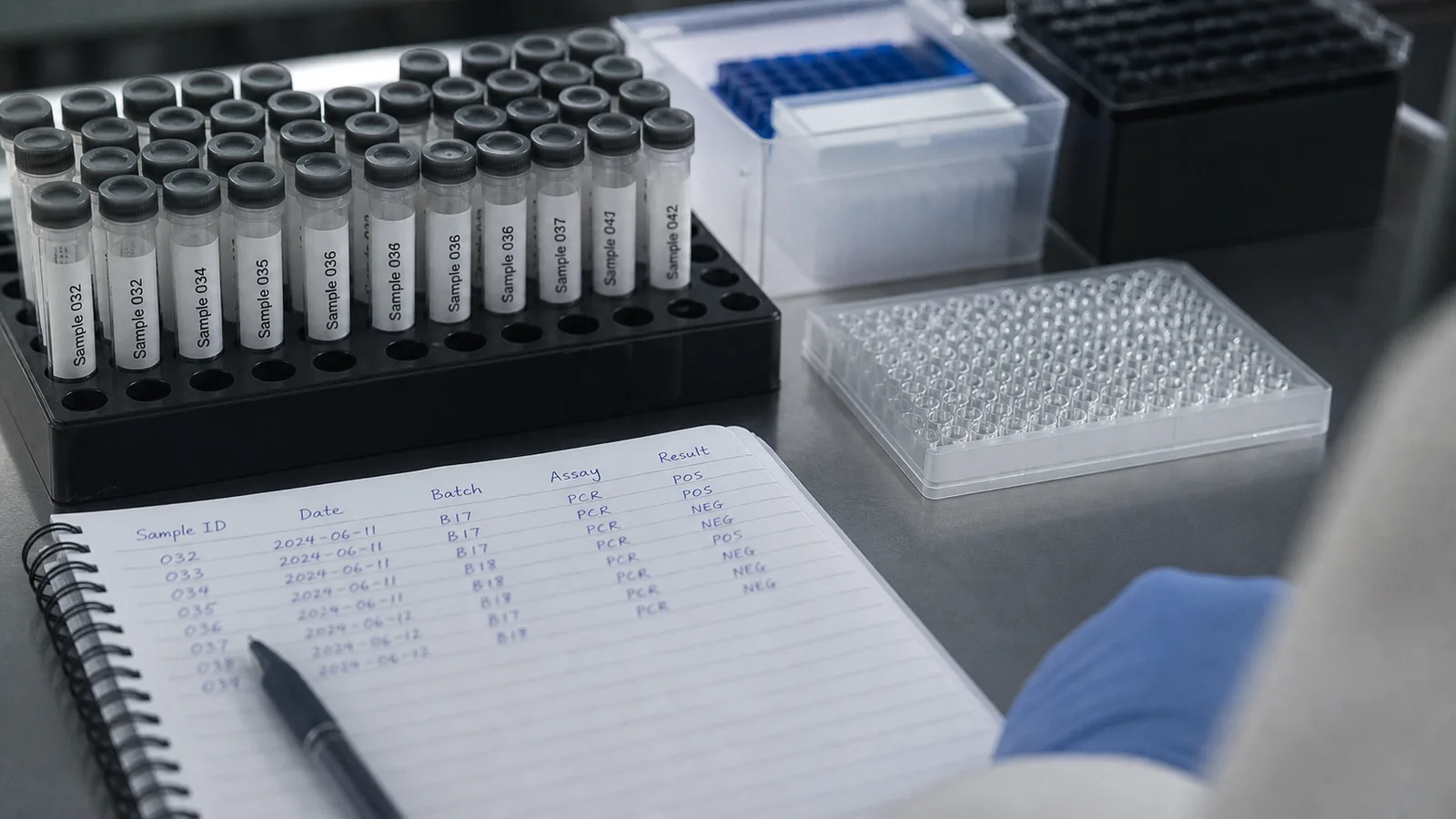
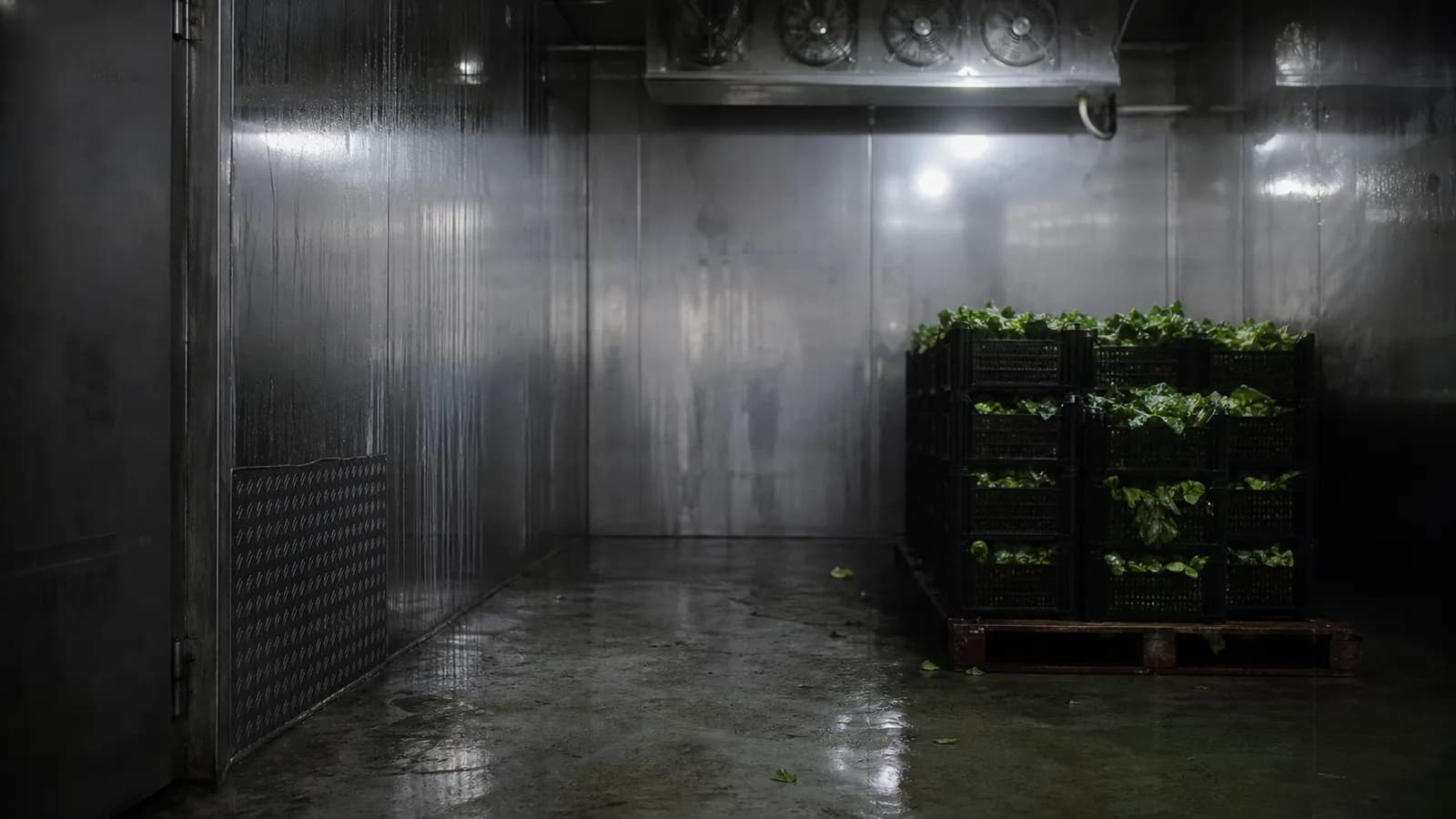
I'm part of an outbreak
The strongest position in food litigation. Federal investigators do the causation work.
Read this
I got sick after eating out
Provable only if the organism was confirmed. The meal you suspect is often the wrong one.
Read this
Animal contact or water
Not all E. coli is food. Fairs and untreated water have their own duty standards.
Read thisBefore you talk to anyone
Read the first one today if anyone is still ill. The rest can wait a week.
Getting it confirmed
The one thing that can only be done while someone is still ill.
Read thisWho's actually liable
Contamination usually starts at the farm or plant. So does the real coverage.
Read thisWhat these cases are worth
A wide range with a hard dividing line: HUS, or not.
Read thisThe deadlines
Years to file. Days to get the sample. Sixty days if a public body is involved.
Read thisEvidence and research resources
See all resourcesEvidence checklist
The records, objects, photographs, and timelines worth preserving now.
Read thisPlain-language glossary
Medical, insurance, safety, and legal terms explained without the jargon.
Read thisOfficial sources
The government, court, safety, and medical sources used to check this site.
Read thisCommon questions
Should we stop any medication?
Never based on a website. But do make sure the treating physician knows STEC is suspected — there is evidence that antibiotics and anti-diarrheal drugs may increase HUS risk in these infections, and that is a decision for the doctor with the full picture.
Is this a law firm?
No. E. coli Lawsuit is a free service that connects people to independent attorneys who handle foodborne illness cases. We don't practise law, we're not doctors, and nobody here is your lawyer.
What does it cost?
Nothing. We're paid a flat advertising fee by the firms we refer to. It doesn't vary with your case value and never comes out of a recovery.
What's the one thing to do right now?
If anyone is still ill: ask for a stool culture and ask that the organism be identified and the isolate retained. Then report it to your local health department. Both are free and neither can be done later.
Will you tell us if there's no case?
Yes, and it happens often here. Most uncomplicated infections aren't economically viable to pursue, and without a confirmed organism causation usually can't be shown.
Will you sell my information?
We share your submission with the law firm we refer you to and the providers who transmit and store it. We don't sell it to marketing lists or data brokers, and you can revoke consent to be contacted at any time.
Find out if you have a case
Tell us what happened. If your situation looks like something a lawyer should see, we connect you with an independent attorney who handles this type of claim. If it doesn't, we'll say so.
Free · No obligation · About 90 seconds